
Aircraft maintenance careers need a visible first step
Training pathways · Published 21 May 2026
Start by understanding aircraft maintenance work and the roles available to new entrants. New entrants need to understand the work, show employers what they can offer and find a supervised route into the trade. Sigma connects those steps with practical resources and workplace training.
Start by understanding the work
Aircraft maintenance is hands-on work: inspecting, servicing, troubleshooting and repairing aircraft or components under the relevant procedures and supervision. Aircraft maintenance is different from aircraft design through an aeronautical engineering degree.
Mechanical, avionics and structures work also differ. Someone who enjoys fault-finding electrical systems may have different interests from someone drawn to engines or sheet-metal repairs. Our guide to maintenance trades and qualification streams helps candidates make that distinction.
Four steps a candidate can take now
- Make the resume useful
Show practical projects, tools used, reliability, teamwork and work history. School, volunteering and other trades can provide relevant examples; do not invent aircraft experience.
- Create a candidate profile
Use Sigma’s resume and apprentice candidate tool to record your location, interests and availability. Keep the details current so a potential employer can understand what you are looking for.
- Approach aircraft maintenance employers
Look for apprentice and trade assistant opportunities with operators and MROs. Explain why their type of maintenance interests you and whether you can travel or relocate.
- Agree on the training once employed
An apprenticeship needs an employer and the appropriate training arrangements. The training provider then works with the employer and apprentice on the qualification and workplace learning plan.
AIR gives people a practical introduction
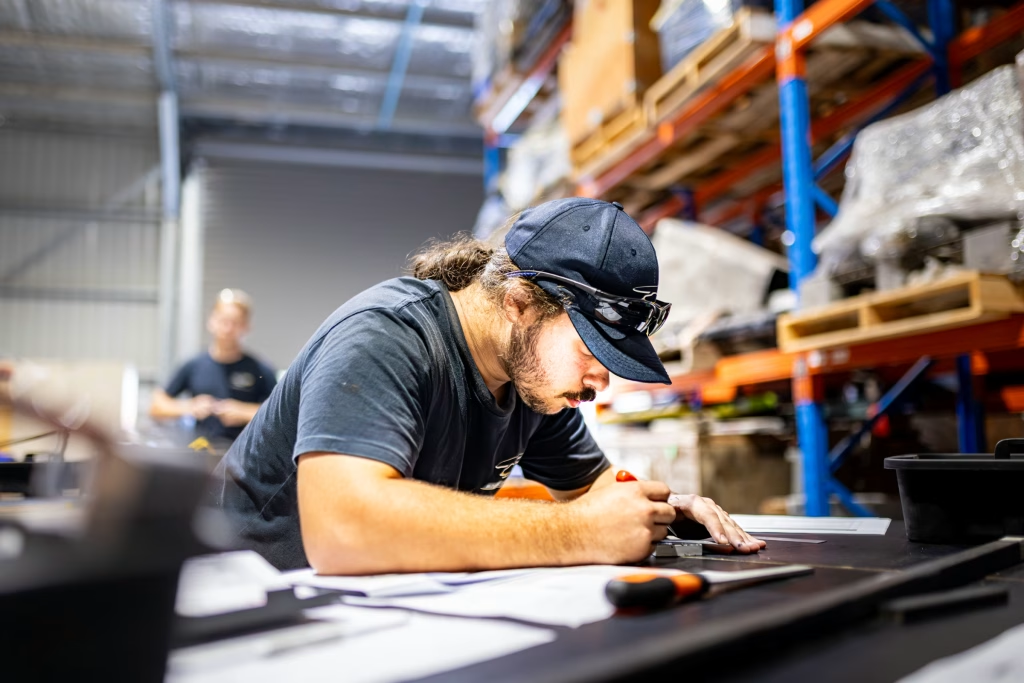
Our Aeroskills Industry Readiness (AIR) program is a five-week, face-to-face introduction for groups of up to 15. It combines maintenance foundations, safety, guided practical work and assessment to help people understand the environment they want to enter.
AIR is a non-accredited pre-employment program. It does not award a trade qualification or CASA licence, or guarantee a job. It gives participants practical exposure and gives participating employers a better basis for discussing suitability for an entry-level role.
Employers can help create the entry point
AIR can be delivered around Australia when industry, government or industry bodies provide the funding and suitable facilities. Tell us the location, likely roles and available facilities to discuss a class and request a quote.
Once an apprentice is employed, our workplace apprentice training keeps the learning connected to the tasks they are doing. Employers can also explore candidate recruitment and Group Training Organisation options.
Your next step
Looking for your first role? Make yourself easy to find.
Build a clear resume and join the apprentice candidate database. Start with the experience and practical interests you already have.
Build my resume & profileWritten by the Sigma Aerospace College training team. AMROBA is cited as an industry source; these are Sigma’s explanations and services, not an AMROBA endorsement.
Ready to put this into practice?
Know the licence or qualification you need? Choose your course, apply online and follow the payment steps.
Choose a licence courseNeed help choosing? Enquire with our teamUseful links
College course information and CASA guidance for further reading.
0 readers found this helpful