
Regional apprentice training that comes to your hangar
Training pathways · Published 23 July 2026
Regional operators need apprentices who learn properly without routinely leaving the workplace for long training blocks. Sigma’s workplace model combines structured study, assessed practical work and regular trainer contact, with no mandatory recurring block release.
Workplace delivery is a supported training arrangement
The apprentice’s day-to-day supervisor understands the aircraft and the work. Sigma provides the training structure, learning resources, assessment and help when the apprentice gets stuck. Both roles matter.
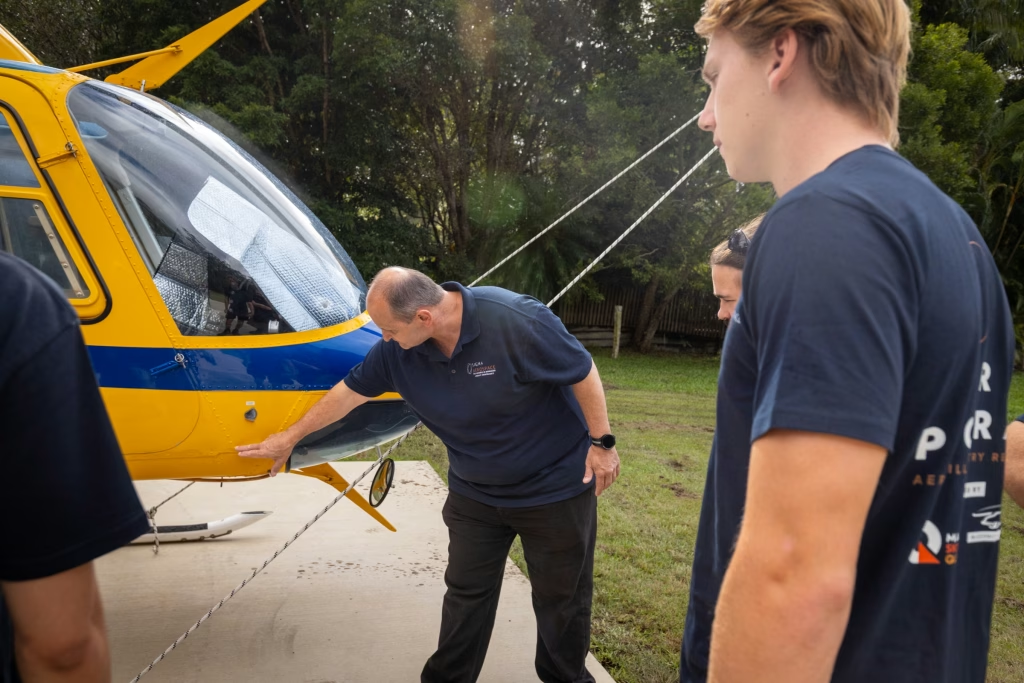
Our model includes fortnightly technical sessions, monthly one-to-one trainer reviews, planned workplace visits and formal progress reviews at least every three months. The written training offer confirms the visit arrangements and included support for the site.
The apprentice
Gets a clear learning sequence, regular contact and feedback on evidence and assessment.
The supervisor
Has a trainer to discuss task exposure, learning difficulties and progress with.
The employer
Can see what is complete, what is still needed and where the workplace needs to provide support.
The trainer
Checks learning and competence against the selected units, including gaps the normal work programme may not cover.
Check the workplace before promising the outcome
A workplace may not provide every task required by the qualification. We identify missing tasks early and agree how the apprentice will gain that experience.
We review the intended qualification and licence stream, available maintenance tasks, supervision, facilities, equipment and evidence arrangements. Where exposure is missing, we agree on how to address it. The apprentice must demonstrate competence; time employed is not enough.
Keep learning time and fees visible
No mandatory recurring block release does not mean no time for learning. Apprentices still need protected time for theory, technical sessions, assessment and feedback. Build that into the roster alongside supervised maintenance work.
Compare the complete arrangement: tuition and ongoing support, travel, accommodation, task access and the practical effect of time away. Our apprenticeship costs guide shows how to make that comparison without confusing tuition with the whole employer cost.
Outside Queensland, see our fee-for-service employer offering. For Queensland, check the funded training offering and eligibility requirements. Funding and qualification eligibility need to be confirmed for the individual arrangement.
Send Your Workplace and Apprentice Details
Send your location, apprentice numbers, aircraft and maintenance work, proposed supervision and any existing training records. We can then discuss a realistic training scope and delivery plan rather than ask you to select a generic classroom timetable.
Your next step
Train apprentices where the maintenance happens.
Tell us about your operation and the people you want to train. We will help plan delivery, workplace support and fees.
Enquire about apprentice trainingWritten by the Sigma Aerospace College training team. AMROBA is cited as an industry source; these are Sigma’s explanations and services, not an AMROBA endorsement.
Ready to put this into practice?
Know the licence or qualification you need? Choose your course, apply online and follow the payment steps.
Choose a licence courseNeed help choosing? Enquire with our teamUseful links
College course information and CASA guidance for further reading.
0 readers found this helpful